Messages & Wishes
Wedding Invitation Wording That Feels Like You
A warm welcome, the right information, and examples you can adapt for different hosting arrangements.
7 min read · October 2, 2026Design the day around what matters. Find thoughtful wedding inspiration, practical plans, and words that feel like your own.
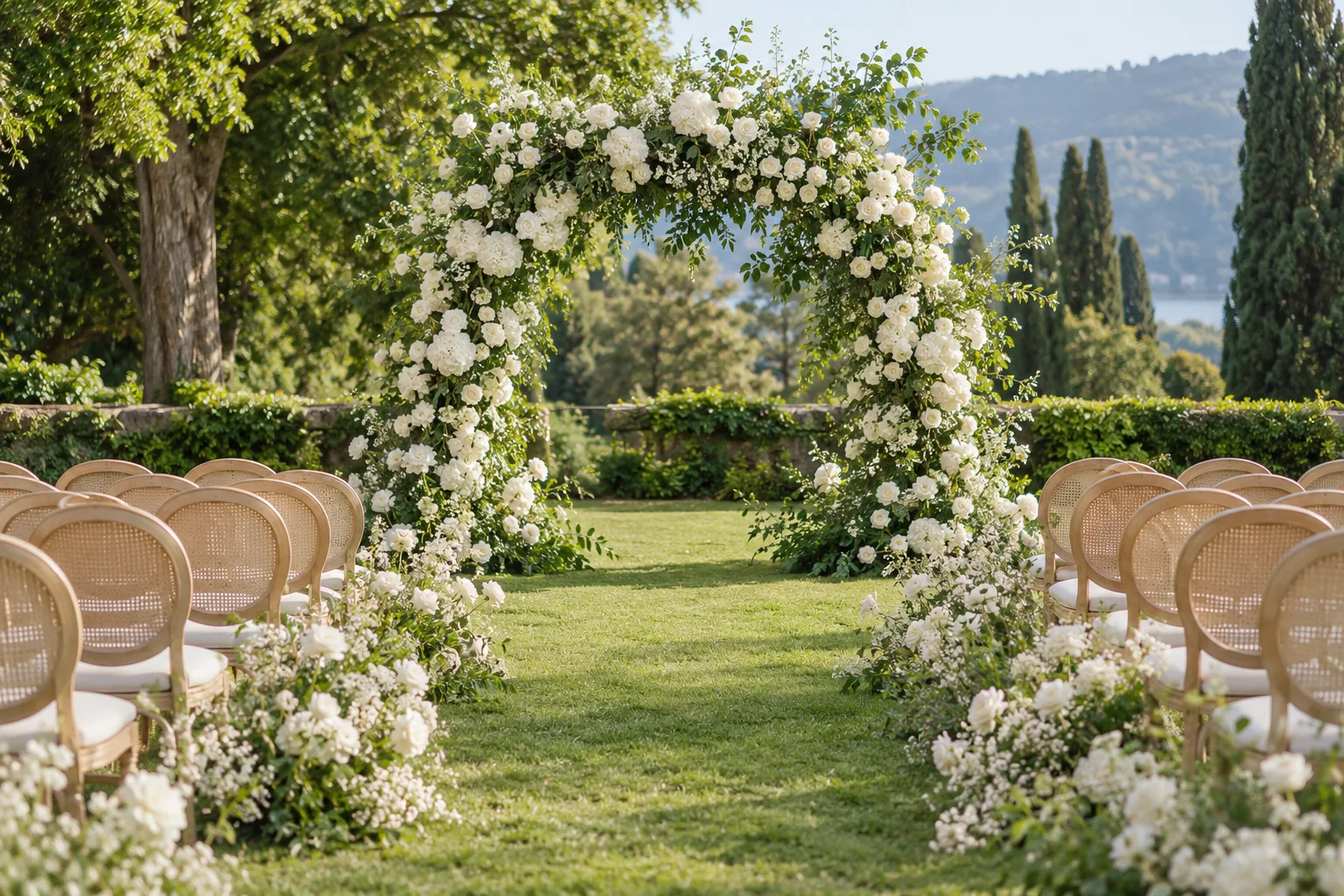
A wedding is made of decisions, but it should not feel like a test. Wedding Design brings those decisions back to the people, places, and moments they serve. We publish practical ideas for planning a welcoming celebration, choosing a visual direction, writing words that sound like you, and marking the life a couple shares beyond the wedding day.
Start wherever you are. You might have a venue and need to shape the room, or a guest list and no clear budget yet. Perhaps you are attending a wedding and want a gift or a card message that feels personal. Our guides are organized around these different needs so you can find a useful next step without following an entire planning program.
The aim is a considered celebration, not a collection of everything you have seen online. A good idea earns its place by fitting your circumstances. We explain the questions to ask, the tradeoffs to notice, and the details that help an attractive plan work in real life.
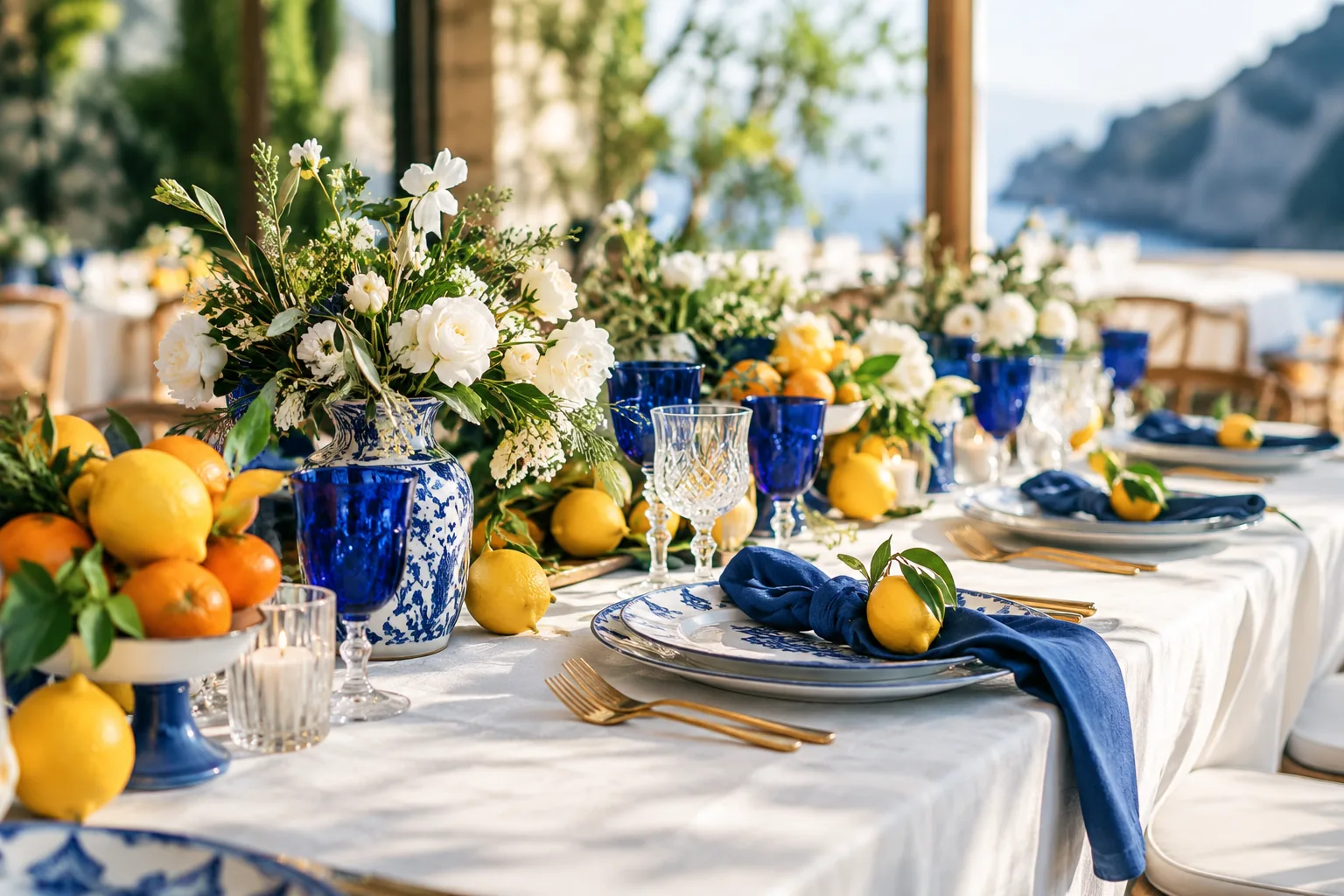
The most useful wedding inspiration starts with the space you actually have. Look at its light, colors, furniture, and surrounding landscape before choosing a palette. A room with timber beams may welcome natural texture; a bright gallery might suit cleaner shapes and one confident color. You can work with what is already present instead of covering it with another setting's ideas.
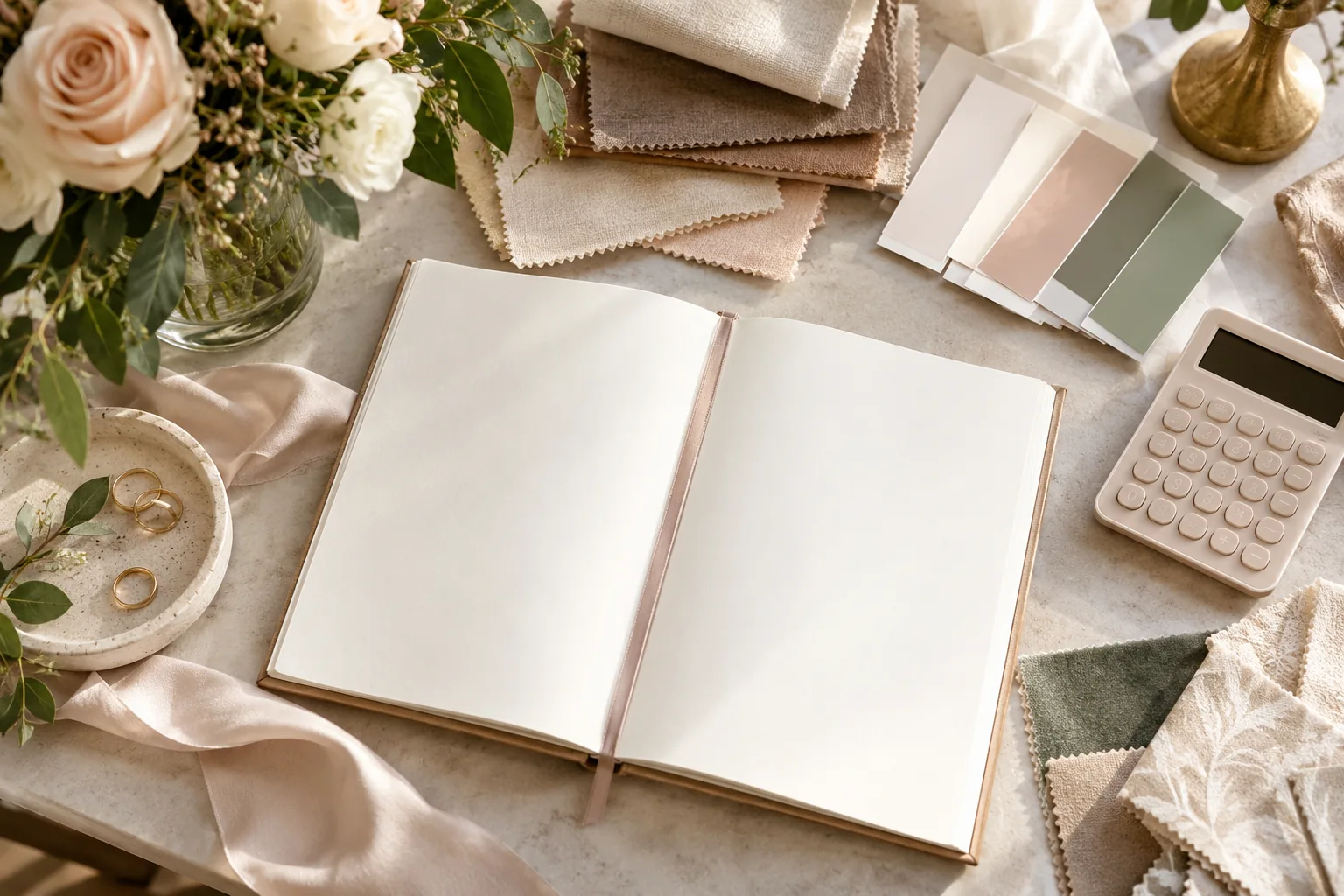
Choose a short visual brief: one atmosphere, one anchor color, and a few materials. That gives your florist, stationer, and rental supplier something concrete to respond to. It also makes editing easier. If an object does not support the brief or help guests, it may not need to be there.
Our theme guide explores six distinct directions, from garden flowers to city contrasts. Each comes with practical considerations, including weather, lighting, and the amount of space needed for a meal. Use the photographs as a starting point for questions, rather than a promise that a particular scene can be recreated at any venue.
Guests notice how a celebration feels as much as how it looks. Can they find the entrance? Is there somewhere to sit during drinks? Do they know what happens after the ceremony? Small answers to these questions can create a stronger welcome than another decorative installation.
Work through the day in order, beginning with arrival and ending with departure. Note where guests will need information, shelter, water, a seat, or help with transport. Ask the venue about accessible routes and confirm details before sharing them. Different people may need different arrangements, so leave room for a private conversation rather than assuming one solution fits everyone.
Hospitality does not require unlimited spending. It asks you to protect the basics before adding extras. A clear schedule, readable signs, and a meal served at a sensible time can do a great deal. Our reception guide helps connect the guest journey with the venue's service plan so that the room supports the gathering instead of merely framing it.
Before collecting quotes, talk about the experience you want to preserve. Perhaps it is a relaxed meal, photographs you will enjoy keeping, or a room where guests can talk comfortably. Choose a few priorities together and let them guide the decisions that follow.
A budget should show the whole event. Record agreed totals, deposits, remaining balances, and payment dates. Ask suppliers what is included and what will be charged separately. Delivery, setup, extra hours, and final guest numbers can change an apparently simple quote. Keeping those items visible makes comparing options more meaningful.
Our budget framework uses an explicitly imaginary allocation to explain the method without pretending that one price fits every wedding. It also separates costs that move with the guest list from those that may remain fixed. The goal is not to make you spend in predetermined percentages. It is to help you choose deliberately, recognize the effect of an extra commitment, and leave space for uncertainty.
An invitation is a welcome with practical information attached. Begin with who is inviting, who is marrying, the date and time, and where guests should go. Then add the reception and reply details in an order that is easy to understand. Decorative typography should make that information feel special without making it difficult to read.
Families, ceremony styles, and hosting arrangements differ. You can use formal wording, a relaxed invitation from the couple, or a reception-only announcement without losing warmth. The right version explains the event you are actually planning. It should not imply a ceremony invitation for someone invited only to the celebration afterward.
Wedding messages are easier to write when you stop trying to sound ceremonial. A true observation about the couple often carries more warmth than a grand statement about love. Mention their kindness, the pleasure of spending time with them, or a small memory that includes both partners. Then offer a wish for the life ahead.
The same attention helps with vows, but the purpose is different. A wedding wish celebrates someone else's commitment; a vow names promises you will practice yourself. Keep those promises specific enough to mean something. Listening with care, making time together, and supporting each other's growth say more than guaranteeing that life will never be difficult.
Our messages and vows guides treat tone, privacy, and audience as part of the writing process. There is room for humor, religious language, and emotion when those choices suit the people involved. There is also room for a simple sentence. You do not need to reveal private information or borrow a voice that sounds nothing like your own.
Messages & WishesA warm welcome, the right information, and examples you can adapt for different hosting arrangements.
7 min read · October 2, 2026 Messages & Wishes
Original card messages and a simple method for turning a kind wish into words that belong to the couple.
7 min read · October 2, 2026 Messages & Wishes
Begin with an ordinary memory. Finish with promises you can recognize and keep practicing.
7 min read · October 2, 2026The publication's eight starting articles form a small, connected collection. Choose the task closest to what you need today, then follow a related guide when it helps the next decision. There is no required order and no expectation that every idea belongs in your celebration.
For early planning, begin with the budget and design articles together. One defines the boundaries; the other helps shape the atmosphere within them. When the venue and guest list are clearer, use the reception layout and invitation guides to turn those choices into a practical plan people can understand.
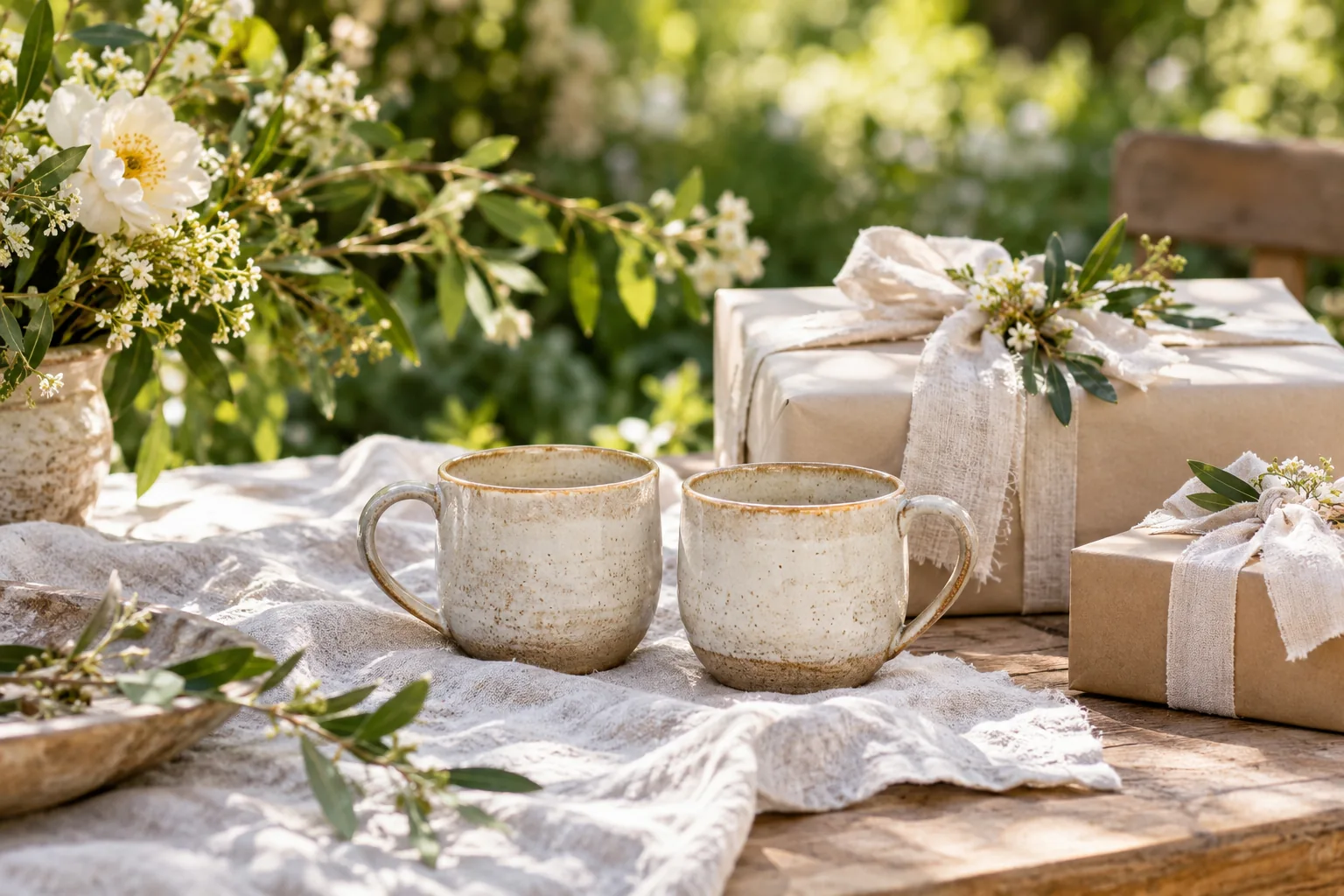
A thoughtful couple gift fits a real household. Before choosing, look for a registry or ask what would be useful. A pair of everyday cups, a requested cooking tool, or a flexible experience can be generous without becoming a large object the couple must store. The size of a box is not the measure of the thought behind it.
Personalization can add meaning, but it deserves care. Confirm names, spellings, dates, and whether the couple wants wedding details on something they will use every day. Do not assume a shared surname. For experiences, check location, availability, expiration, and cancellation conditions before buying.
Our gift guide focuses on choosing rather than declaring products universally best. It considers established homes, new households, shared rituals, and contributions toward a plan. When shopping elsewhere, compare current specifications and terms directly with the seller. The aim is to give something the couple can enjoy on their own terms, with a note that explains the attention behind it.
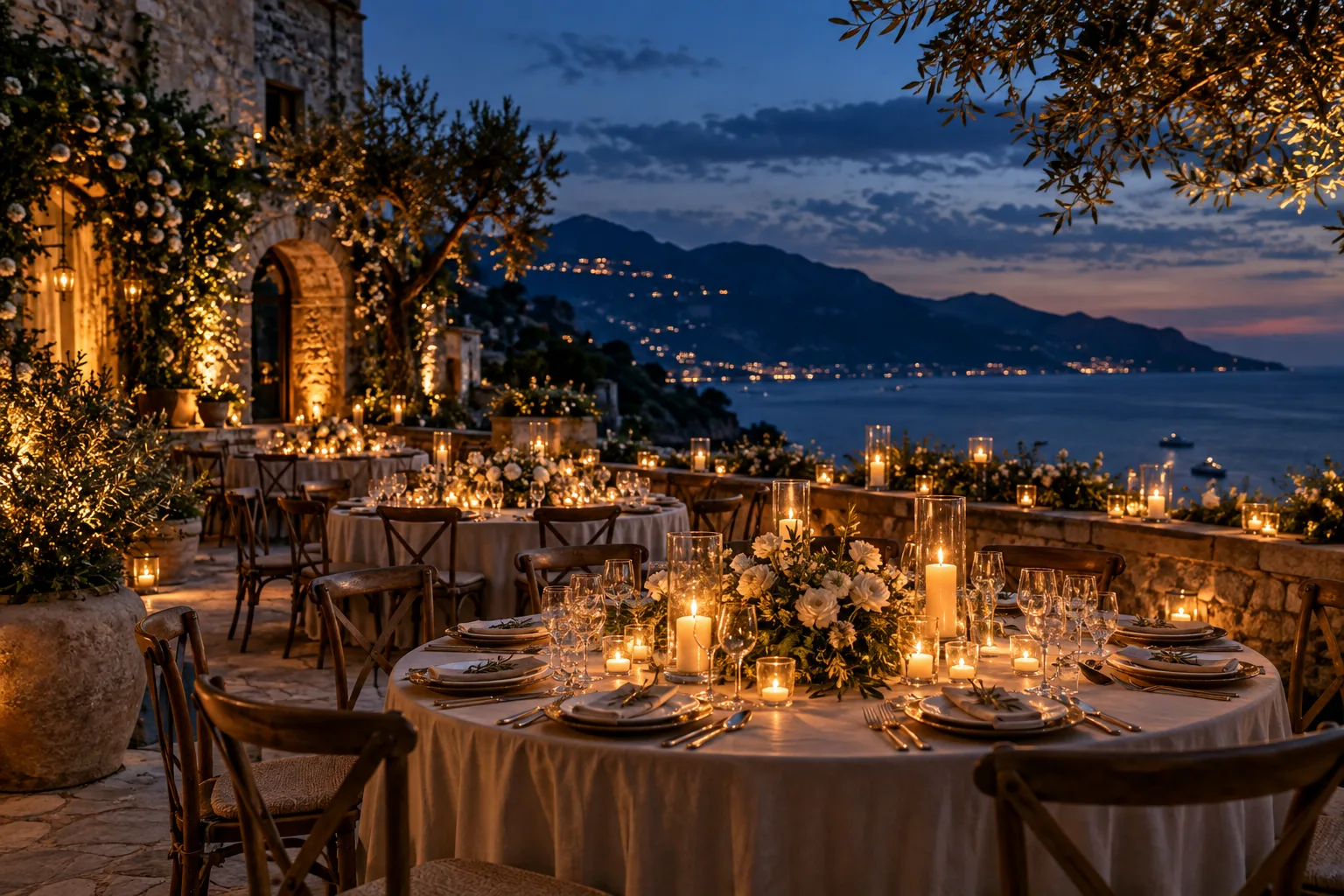
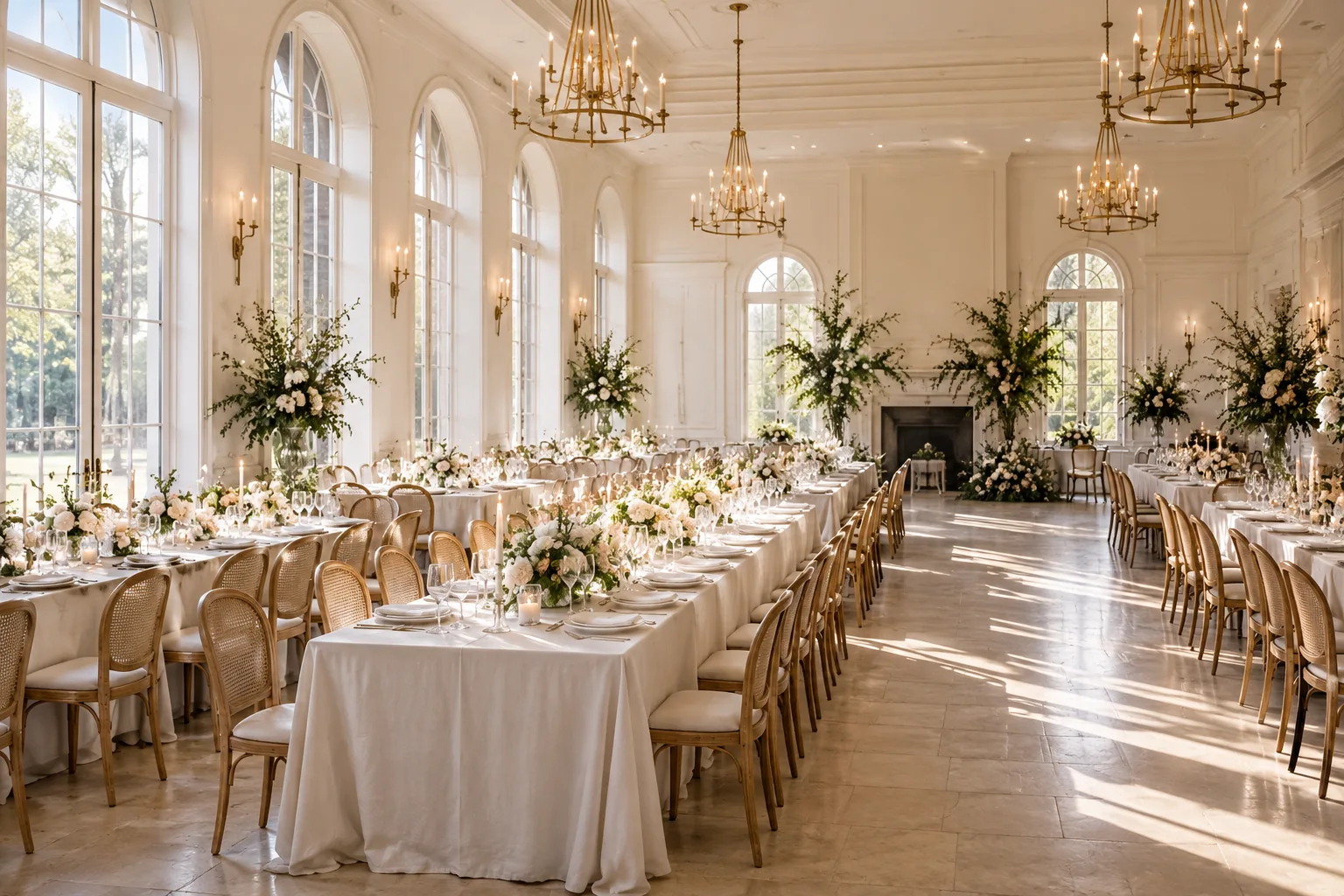
A reception table has a job before it becomes a photograph. It needs room for plates, glasses, water, bread, and the service style you have chosen. Add flowers and candles after you understand those needs. A dramatic arrangement loses its appeal when nobody can see the person opposite or find space for dinner.
The room needs the same balance. A clear route from the entrance, a seating display that does not create a queue, and sensible placement of sound equipment can change the evening. Ask the venue and caterer to review the complete plan, including any furniture moves between dinner and dancing.
Our layout article begins with circulation and service, then turns to lighting and atmosphere. It does not prescribe technical dimensions or replace venue approval. Instead, it gives you questions that help identify conflicts while there is still time to change them. The most comfortable reception often hides its planning: people simply know where to go and can enjoy being there.
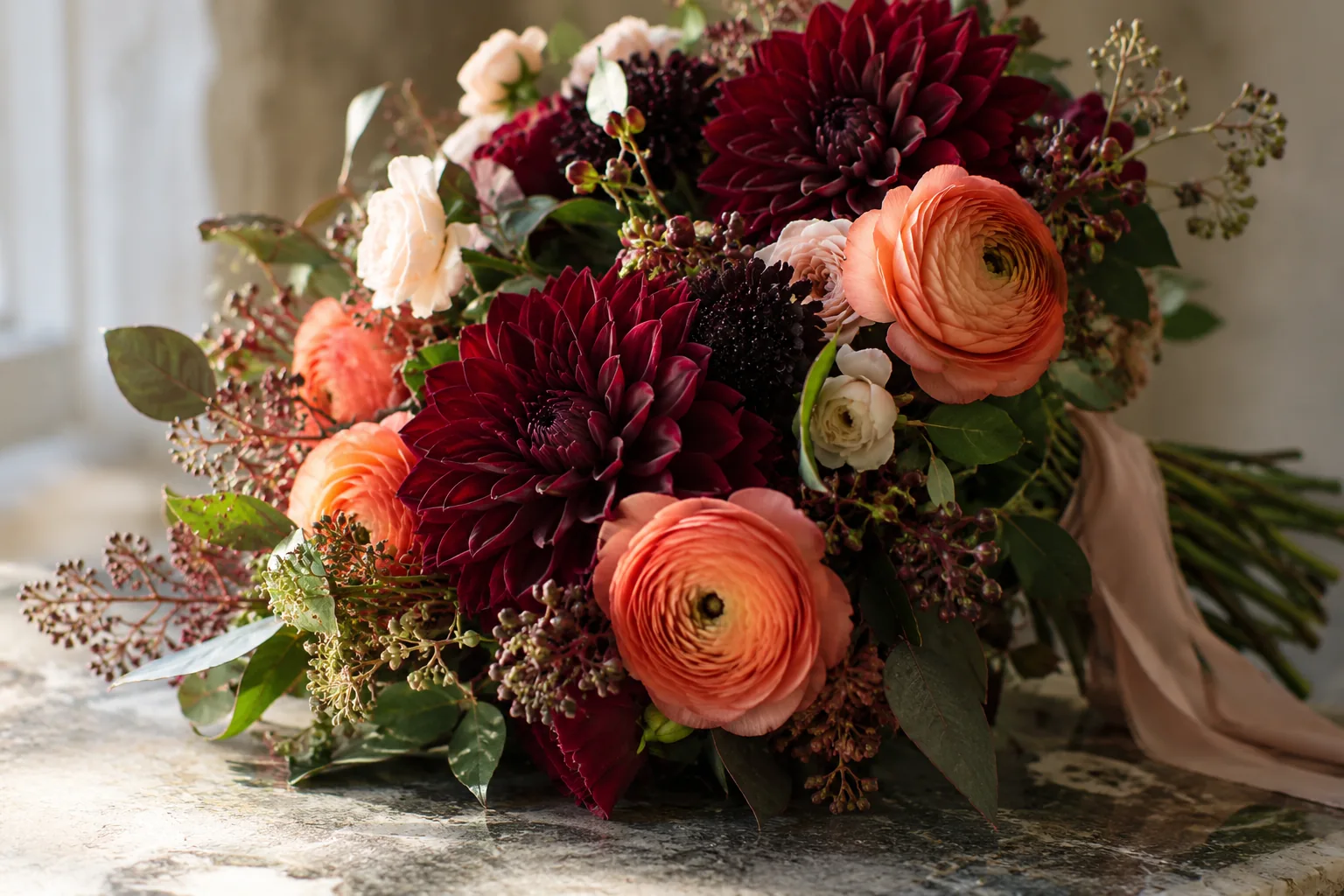
Not every personal element needs a spotlight. A flower that recalls a family garden, a recipe served in a small way, or a favorite song can make the celebration feel familiar without turning the room into an exhibition. Choose a few details you genuinely care about, and let them sit naturally within the day.
Sentimental objects need a practical plan. Decide who brings them, where they will be placed, and who collects them afterward. Keep fragile or irreplaceable items away from crowded routes. A meaningful detail should not leave you checking whether a valuable keepsake is still safe between conversations.
You can also preserve the day through ordinary records: a copy of the invitation, the words you wrote, and a photograph of the table before guests arrive. These small things may become more personal than a large decorative purchase. Leave room for memories to develop rather than trying to decide in advance which moment must be the most important.

An anniversary can be an evening at home, a return to a familiar place, or a new experience chosen together. Begin by asking what would feel good this year. A couple in a demanding season may value rest more than a full itinerary. A modest plan can still feel distinct when it includes time and attention.
Talk about gifts and expectations before the date. Surprises work better inside agreed boundaries: a known budget, a comfortable activity, and a day that does not require hidden logistical work from the other person. If you are apart or busy, mark the date simply and make a realistic plan for later.
Our anniversary guide offers six approaches that can be adjusted to different circumstances. Letters, shared meals, short trips, and an annual record all make space for the life you are actually living. Romance does not have to imitate the wedding photographs. It can notice the routines, support, and small pleasures that have become your story since then.
Save fewer references and write down why each one matters. You may like a photograph for its candlelight, not its flowers; another for the invitation spacing, not its color. Those notes turn a collection of attractive images into something you can use with suppliers.
Keep one current plan and a separate place for ideas you are not using. This makes it easier to stop comparing every decision with an alternative. Return to your priorities when a new suggestion appears, and ask whether it solves a problem or simply adds another purchase.
Wedding Design is a publication-level editorial project. Articles are credited to Wedding Design Editorial rather than to invented specialists. The initial collection uses AI-assisted drafting and original AI-generated illustrative photography. Images show ideas and settings; they are not evidence of weddings attended, venues reviewed, or products tested.
We favor practical questions, original examples, and clearly labeled hypothetical scenarios. External sources are linked where they help a reader check information, and commercial destinations are described as such where relevant. The site does not present general planning suggestions as local legal advice or guarantee supplier availability.
Read the editorial policy for the limits of the content and the approach to corrections. Our About page explains the publication's scope, while the contact page describes the current contact arrangements. The intention is straightforward: give readers enough clarity to make their own choices, and be honest about what an article can and cannot establish.